


Why study New York?
This newsletter offers tidbits from my forthcoming book and brings that historical perspective to current issues. (It will be occasional, approximately monthly.) Why does the re-naming, un-naming, reprogramming, renovation of the Kennedy Center for the Performing Arts matter? Who pays for the arts—and what exactly do public monies support? Is New York losing its status as the primary Culture City in the U.S.? (You can preorder here, available in early March 2027!)
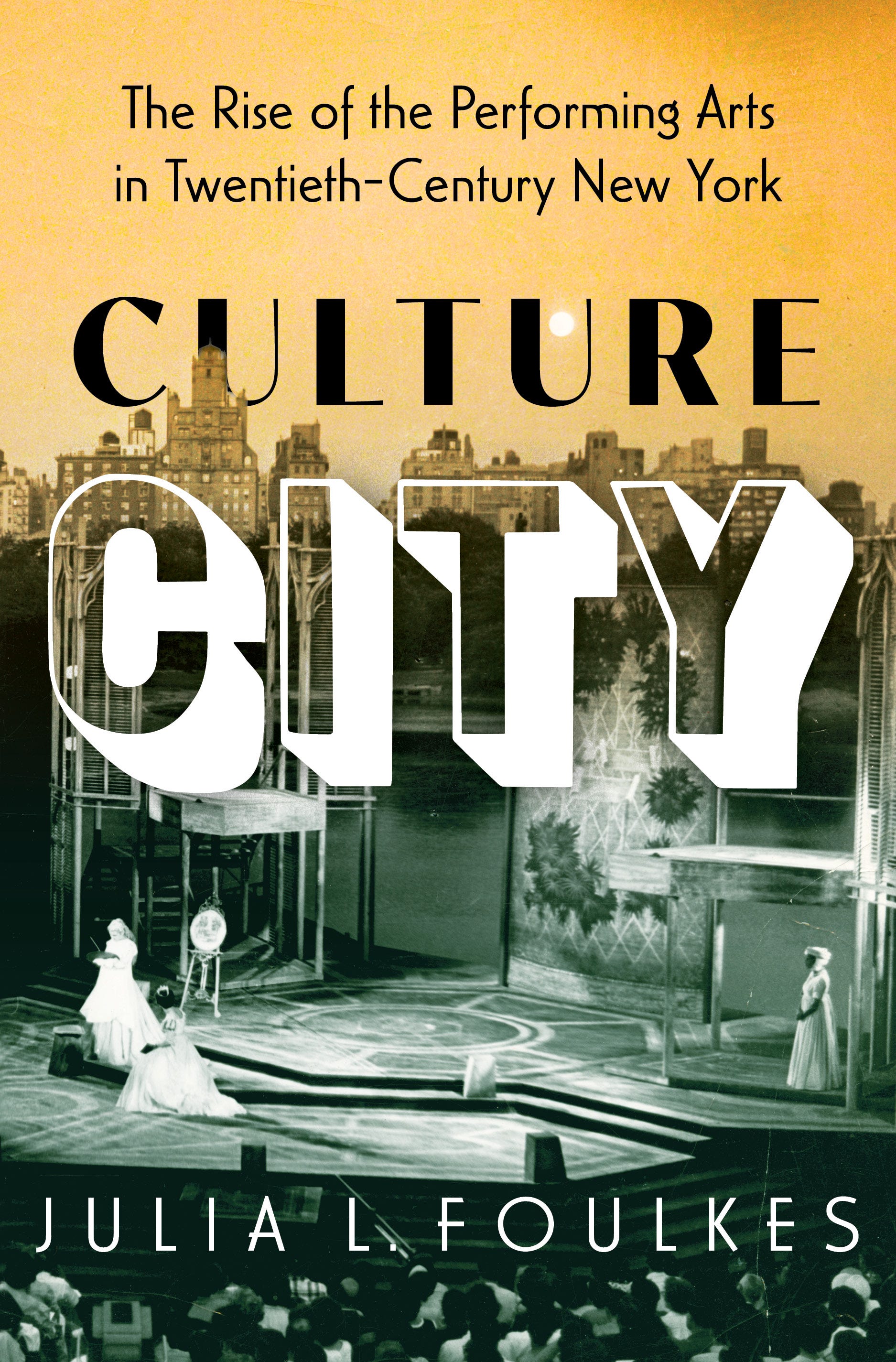
Let’s start with an assumption underpinning that last question: why another book about New York?
New York is the largest city by population in the United States but not the capital of its state. It has held powers other than a primary seat of government. Instead, it has been an entry point into the country for people and goods, a global financial center, and a media hub. It has also been an arts center and a symbol of national aspirations.
The city receives a lot of attention.
My friend, the late urban historian Alison Isenberg, used to prod me on this very issue. How has our understanding of cities been skewed by an outsized attention to New York? Why look at only New York?
It’s easy to turn to the obvious, as above: New York has the largest urban population in the country, it’s the center of finance, media, and the arts, etc. And it can always be used as a comparison to other cities.
But I think, more fundamentally, New York deserves our attention because of the way people use it to argue for the best and worst of cities, our country, and society at large. People who want to condemn or praise immigration, social services, crime prevention, wealth accumulation, public schools, housing policy, queer lives, diversity—they all point to New York.
Because what’s fueling those dueling perspectives on such a wide variety of topics is whether the city is the pinnacle of human aspirations, or their demise.
Studies of New York often fall along the same spectrum, rants or raves. There are rants on gentrification and rampant wealth, raves on vibrancy and diversity. The city itself—five boroughs jutting into the Atlantic Ocean, the nearly nine million residents and the millions more of commuters and visitors—rarely comes fully into view.
The history of the performing arts in New York plays out across this spectrum of rants and raves. Lincoln Center and the latest gleaming gold theater box, the Perelman Arts Center at the World Trade Center site, offer the arts to the wealthy—and represent their exclusionary privileged heritage. But the Laundromat Project and the Open Streets initiative water the root of the arts in neighborhoods and communities that public performances in parks and graffiti planted decades prior.
It’s arrogant to think everyone should care about what happens in New York. But it’s misleading to think that what happens here doesn’t matter anywhere else. The city has served as a beacon for the country, pushing to realize ideals of citizenship, belonging, and public support for all. The election of Mayor Zohran Mamdani only emphasizes the point: the city hosts the starkest inequalities and the highest hopes.
Culture City brings that perspective to the story of how New York became a capital of the performing arts in the 20th century. Stay tuned for more.